
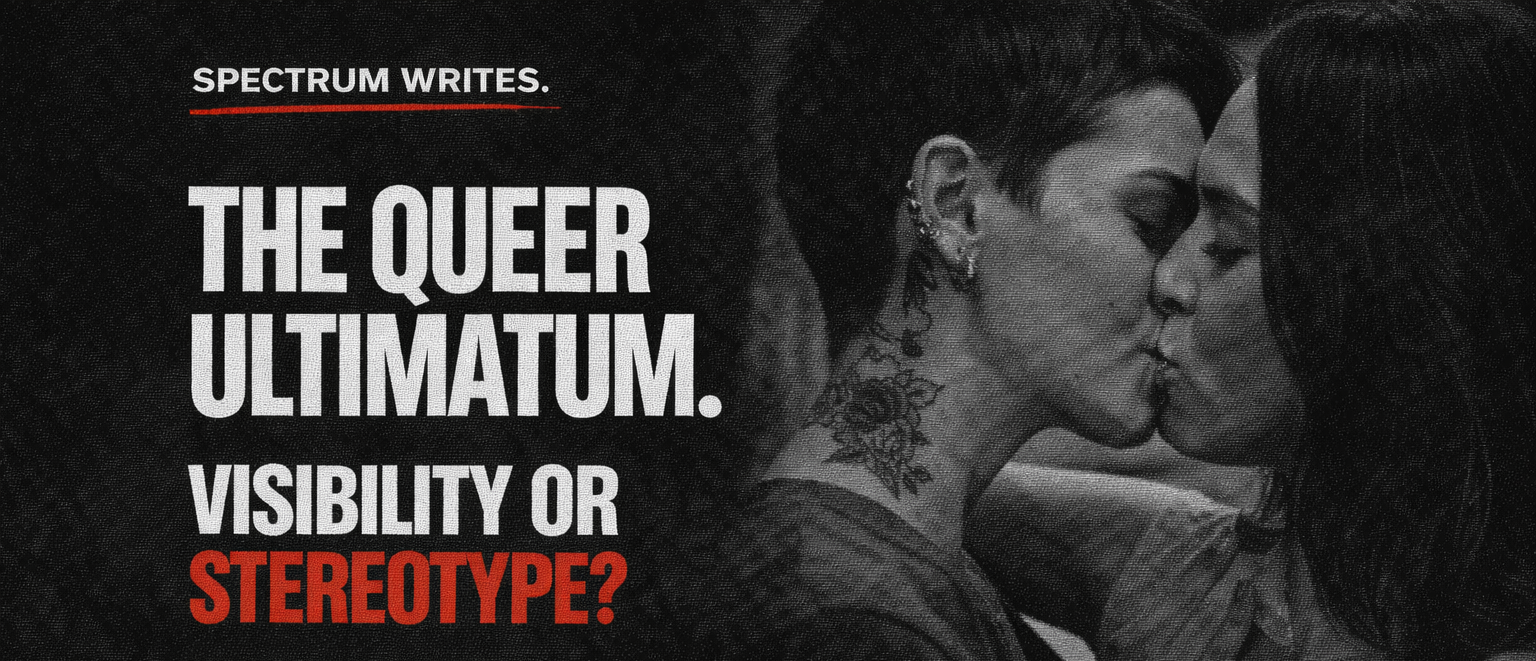
The Queer Ultimatum: Representation, Critique, and Cultural Ripples
When The Ultimatum: Queer Love premiered on Netflix in 2023, it was billed as a boundary‑pushing reality dating show: a queer spin‑off of the popular Ultimatum: Marry or Move On franchise that placed queer relationships at the narrative center. Across two seasons, it documented women and nonbinary couples confronting ultimatums about marriage and future commitment — separating, exploring “trial marriages” with other participants, and then confronting the messiness of love, identity, and choice. Ultimately, Netflix canceled the series after two seasons in late 2025, even as its straight counterpart continued.
A Milestone for Queer Visibility in Reality TV
For many viewers — and for queer media representation broadly — the show filled a notable gap. Reality television has been historically dominated by heterosexual love stories, with LGBTQ+ contestants often relegated to token roles or sidelined in ensemble casts. The Queer Ultimatum boldly foregrounded queer relationships and brought conversations about queer love, commitment, and interpersonal dynamics into millions of living rooms worldwide. At a cultural moment when queer narratives are still fighting for space in mainstream media, the show’s very existence marked a milestone: it said, unmistakably, that queer love stories are also worthy of mainstream attention.
Celebration and Stereotype: A Complex Reception
However, the community’s response wasn’t uniformly celebratory. Some praised the series for the emotional depth and visibility it offered — particularly its willingness to depict nonbinary and lesbian relationships as complex, real, and sometimes messy. Others criticised how the show’s constructed drama veered into stereotype‑fuelled portrayals. On social media platforms, viewers debated whether certain editing choices and the prominence of explicit sexual scenes perpetuated reductive narratives about queer sexuality, feeding into tropes that queer life is defined foremost by sex and conflict.
This tension reflects a broader debate in queer media: Does dramatizing queer relationships in formats shaped by mainstream reality TV inherently risk reinforcing harmful stereotypes, or does the sheer act of representation outweigh those risks?
Emotional Cost and Participant Toll
Beyond community debates, individual cast members shared deeply personal reflections on the emotional toll of the show. One well‑publicised account came from Season 2’s Magan Mourad, who described how the intense emotional pressure of the filming format led to physical exhaustion and a hospital visit — a striking reminder of the psychological cost of participating in reality exhibits of love and conflict.
That narrative resonates with broader concerns about how reality TV, with its engineered situations and relentless filming, can impact mental well‑being. For queer participants — who may contend with societal minority stress on top of relationship pressures — the stakes can feel even higher.
Legacy: Progress and Paradox
So what is the lasting impact of The Queer Ultimatum on the queer community?
Representation Matters:
For a time, it gave queer couples space in a genre where they are still underrepresented. The fact that the cast included diverse gender identities and sexual orientations was itself significant — even if imperfect in execution.
A Mirror to Internal and External Critiques:
The show sparked candid discussions within the queer community about how queer relationships are depicted in media, the pressures of heteronormative frameworks like marriage, and how authenticity is negotiated in a format built on spectacle.
Mixed Legacy:
While it didn’t become a long‑running franchise, its cancellation alongside broader cuts to LGBTQ+ shows in 2025 drew criticism about media institutions’ commitment to queer storytelling — especially when compared to the ongoing investment in straight reality formats.
Conclusion
The Ultimatum: Queer Love was, in many ways, a cultural experiment as much as a reality series. It succeeded in centering queer relationships on a grand stage and igniting conversation — both about love and about representation itself. Its legacy is mixed: a moment of visibility interwoven with critiques about portrayal and impact. What remains clear is that queer audiences and creators are increasingly demanding stories that reflect the depth and diversity of their lives — and that the conversation beyond the show continues to shape how queer media evolves.
